Not All Charters Are Created Equal
Tamarindo has dozens of companies advertising fishing charters. Search Google and you will find slick websites with big promises. But here is something most visitors do not realize: many of those websites do not own a single boat.
Some are legitimate operations with their own fleet and crew. Others are booking platforms that take your money, add their commission, and hand you off to whoever is available that day. The difference matters, and it can make or break your trip.
Here is a checklist to help you tell them apart.
1. Can You See the Actual Boats?
This is the fastest way to filter. A real charter operation will show you their boats by name, with photos, specs, engine details, and capacity. You should be able to see exactly what you are stepping onto before you pay.
What to look for:
- Boat names (not just "our fleet" with stock photos)
- Length, engine specs, and passenger capacity
- Photos of the actual boat, not generic fishing images
- Equipment details: fighting chairs, outriggers, electronics
Red flag: If the website says "we have a variety of boats" but does not name or show a single one, they probably do not own any. They are matching you with a third-party boat after you book.
2. Do You Know Who the Captain Is?
You are trusting this person with your safety, your money, and your day on the water. You should know who they are before you book.
What to look for:
- Captain name and photo
- How long they have been fishing these waters
- Their role in the company (owner, employee, freelancer?)
- Can you contact them directly before the trip?
Red flag: No crew page, no captain bios, no way to talk to anyone before booking. If the only option is a generic contact form, you are probably dealing with a call center or booking platform.
3. Is the Pricing Transparent?
Some companies show full pricing on their website. Others make you submit a form and wait for a quote. There is a reason for that: hidden pricing lets them adjust the margin depending on how much they think you will pay.
What to look for:
- Prices listed per boat, per trip type (half day, full day)
- What is included (crew, tackle, bait, drinks, fish cleaning)
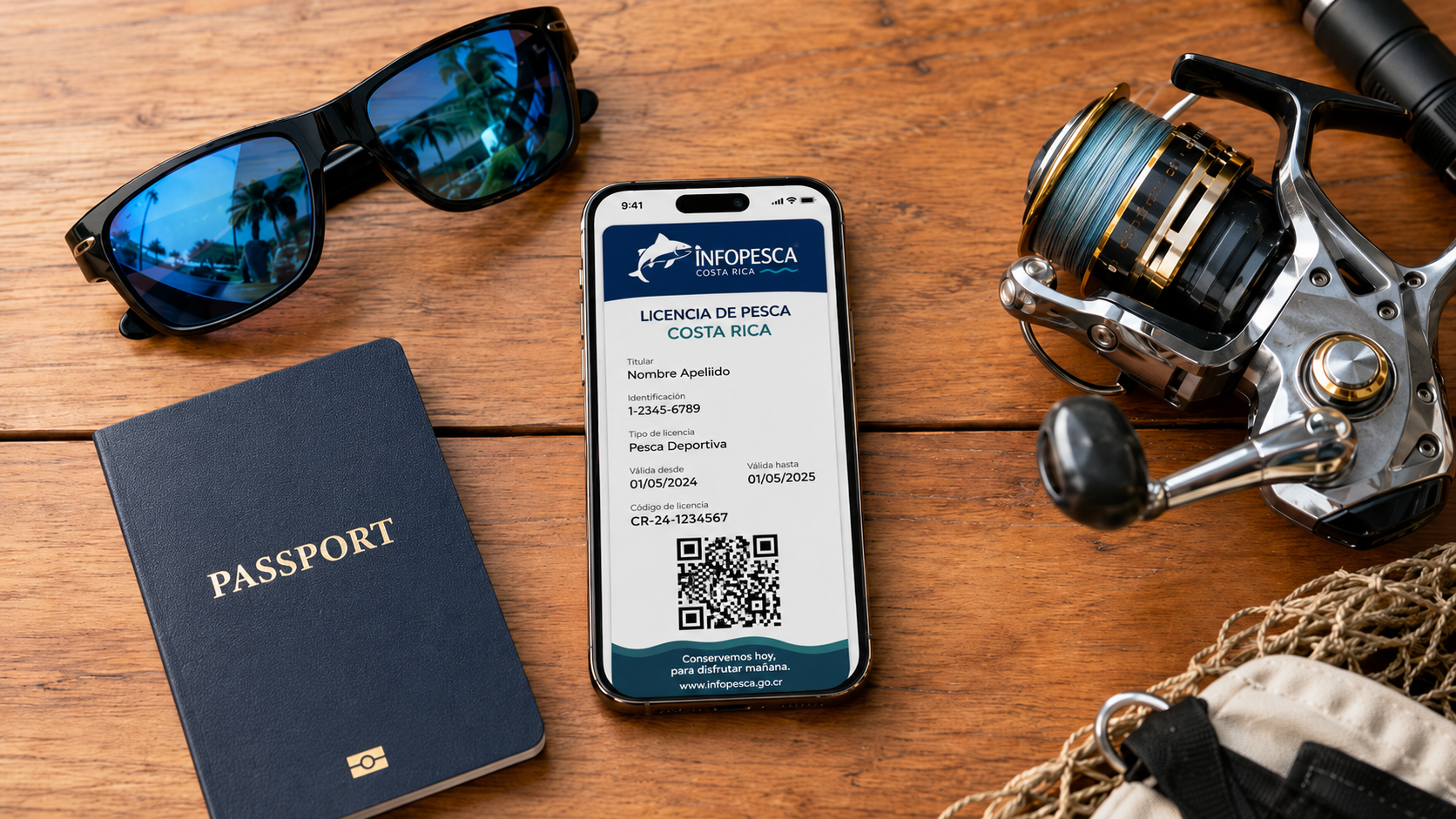
- What is NOT included (fishing license, tips, food)
- Tax policy (is 13% IVA included or added at checkout?)
Red flag: "Contact us for pricing" with no numbers anywhere on the site. Every legitimate operation knows what their trips cost. If they will not tell you, ask why.
4. Do They Own the Boats or Are They a Broker?
This is the big one. There are two types of fishing charter companies in Tamarindo:
Owner-operators: They own the boats, employ the crew, maintain the equipment, and run the trips. When you book with them, your money goes to the people who are actually taking you fishing.
Brokers/platforms: They do not own boats. They have a website, maybe a phone number, and they take bookings. Then they subcontract your trip to an actual charter operator and keep 15-30% as commission. You pay more, and the crew often gets less.
Both types exist in Tamarindo. Both can deliver a good trip. But you should know which one you are booking with.
How to tell:
- Does the website name specific boats they own?
- Is the captain also the owner or business partner?
- Do they have a physical location, or just a website?
- Can you find the same boats listed on other platforms too?
5. What Do the Reviews Say?
Every charter will tell you they are the best. Reviews from real customers tell you the truth.
What to look for:
- Google reviews (hardest to fake, most trusted)
- Volume: 10 reviews is not the same as 100+
- Recency: Are people fishing with them this year?
- Specifics: Do reviews mention crew names, boat names, species caught?
- Responses: Does the owner reply to reviews?
Red flag: A handful of generic 5-star reviews with no details. "Great experience, highly recommend!" tells you nothing. Look for reviews that mention the captain by name, describe what they caught, and feel like a real person wrote them.
6. What is the Cancellation and Weather Policy?
Costa Rica is tropical. Rain happens. Seas get rough. How a charter handles weather cancellations tells you a lot about how they treat customers.
What to look for:
- Full refund or free reschedule for unsafe weather
- Who makes the weather call? (It should be the captain, not a sales office)
- What counts as "bad weather"? (Rough seas yes, light rain no)
- How far in advance can you cancel for a refund?
Red flag: No cancellation policy on the website, or a policy that charges you for weather cancellations. You should never pay for conditions outside your control.
7. Can You Talk to Someone Before Booking?
This one is simple. Pick up the phone, send a WhatsApp, or shoot an email. Ask a real question about fishing: "What is biting right now?" or "Which boat do you recommend for my group of 4?"
A real operation will respond quickly with a specific, knowledgeable answer. A broker will respond with a generic sales pitch or take days to get back to you.
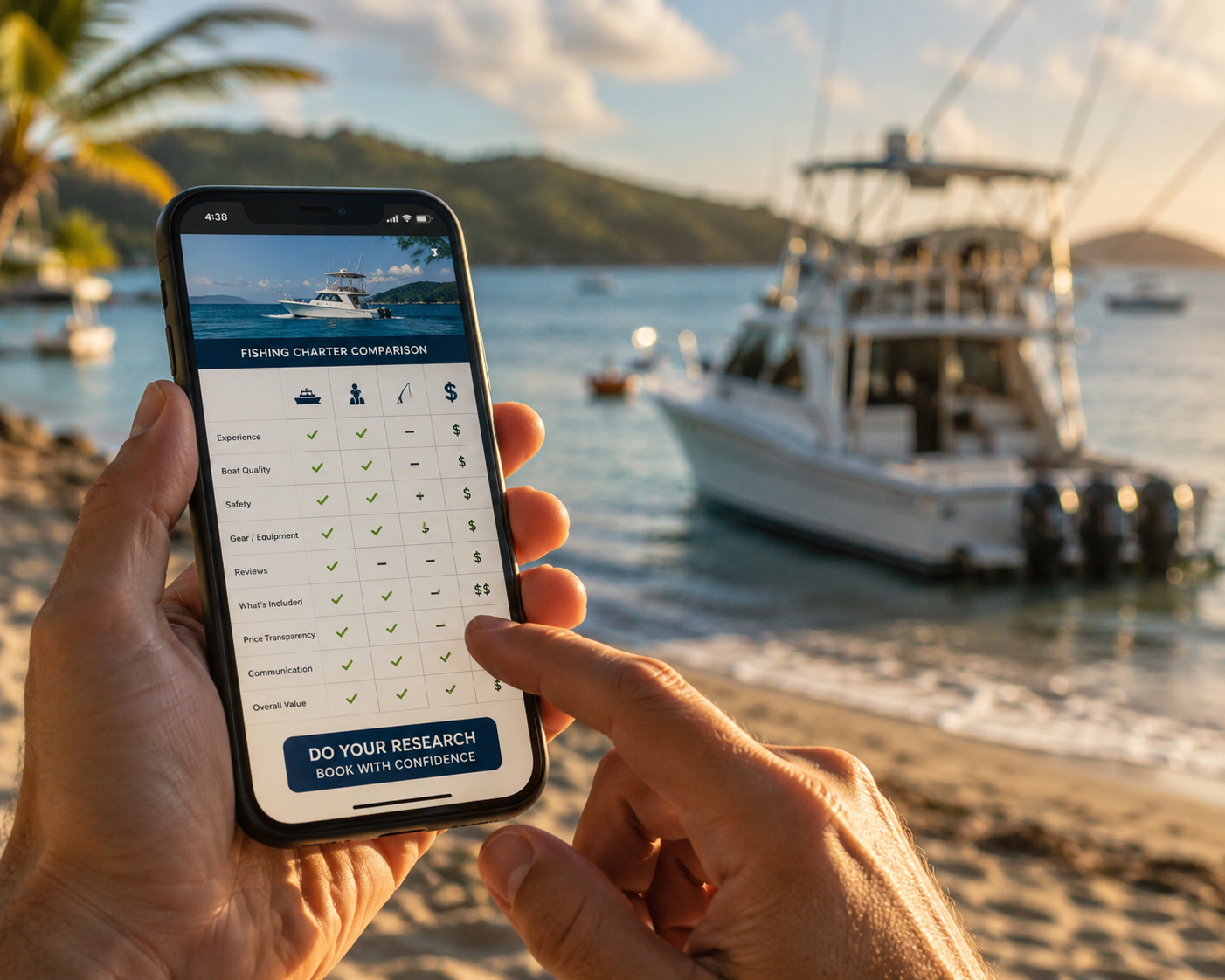
The Quick Checklist
Before booking any charter in Tamarindo, check these boxes:
- Boats shown by name with real photos and specs
- Captain and crew identified with bios
- Pricing listed on the website
- Clear what is included and what is not
- 50+ Google reviews with specific details
- Weather cancellation policy is fair
- You can talk to the captain or owner directly
- The company owns its own boats
The more boxes checked, the more confident you can be.
Why This Matters
A fishing charter is not cheap. Half-day trips start around $450 and full-day offshore runs can hit $2,000+. At those prices, you deserve to know exactly what you are getting, who is taking you, and where your money is going.
Do your homework. Ask questions. And when you find a charter that checks every box, book it.