What Deep Sea Fishing in Tamarindo Actually Means
When people say "deep sea fishing," they mean heading offshore into open ocean waters where the big game species live. In Tamarindo, that means running 20 to 40 miles out from the coast to where the ocean floor drops from hundreds of feet to thousands of feet deep. This dramatic depth change, called the continental shelf drop-off, creates a feeding zone that attracts the largest predators in the Pacific.
The good news: Tamarindo's proximity to deep water means you reach prime fishing grounds in just 45 minutes to 1.5 hours. Many destinations require 2-3 hour runs. That means more time fishing and less time riding.
What You Can Catch Offshore
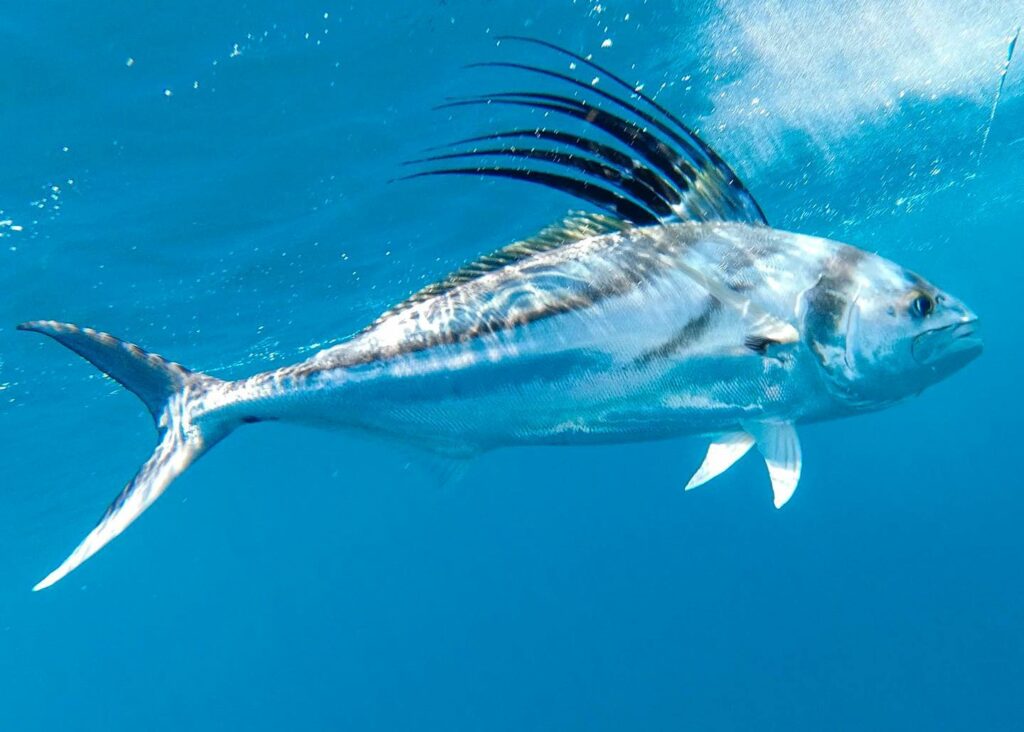
Deep sea fishing from Tamarindo targets pelagic (open ocean) species:
Billfish
- Pacific Sailfish - 80-120 lbs, peak Dec-April
- Blue Marlin - 300-800+ lbs, peak Nov-March
- Black Marlin - 200-600+ lbs, peak May-September
- Striped Marlin - 100-200 lbs, peak Nov-February
Tuna
- Yellowfin Tuna - 30-200+ lbs, peak May-October
- Skipjack Tuna - 5-15 lbs, year-round (great bait and fun on light tackle)
Other Offshore Species
- Mahi-Mahi (Dorado) - 15-50 lbs, peak Nov-March
- Wahoo - 30-80 lbs, peak May-October
- Bonito - 5-20 lbs, year-round
Your Day: Hour by Hour
Pre-Trip (Night Before)
- Take seasickness medication if needed (Dramamine or Bonine)
- Set your alarm early. Pack your bag the night before
- Light dinner, no heavy drinking
5:15 AM - Arrive at Tamarindo Beach
Meet the crew at the designated spot on the north end of Tamarindo Beach. The sky is just starting to lighten.
5:30 AM - Water Taxi Boarding
A small panga takes you from the beach to your charter boat anchored in the bay. Your feet will get wet. Wear water shoes or sandals.
5:45 AM - Departure
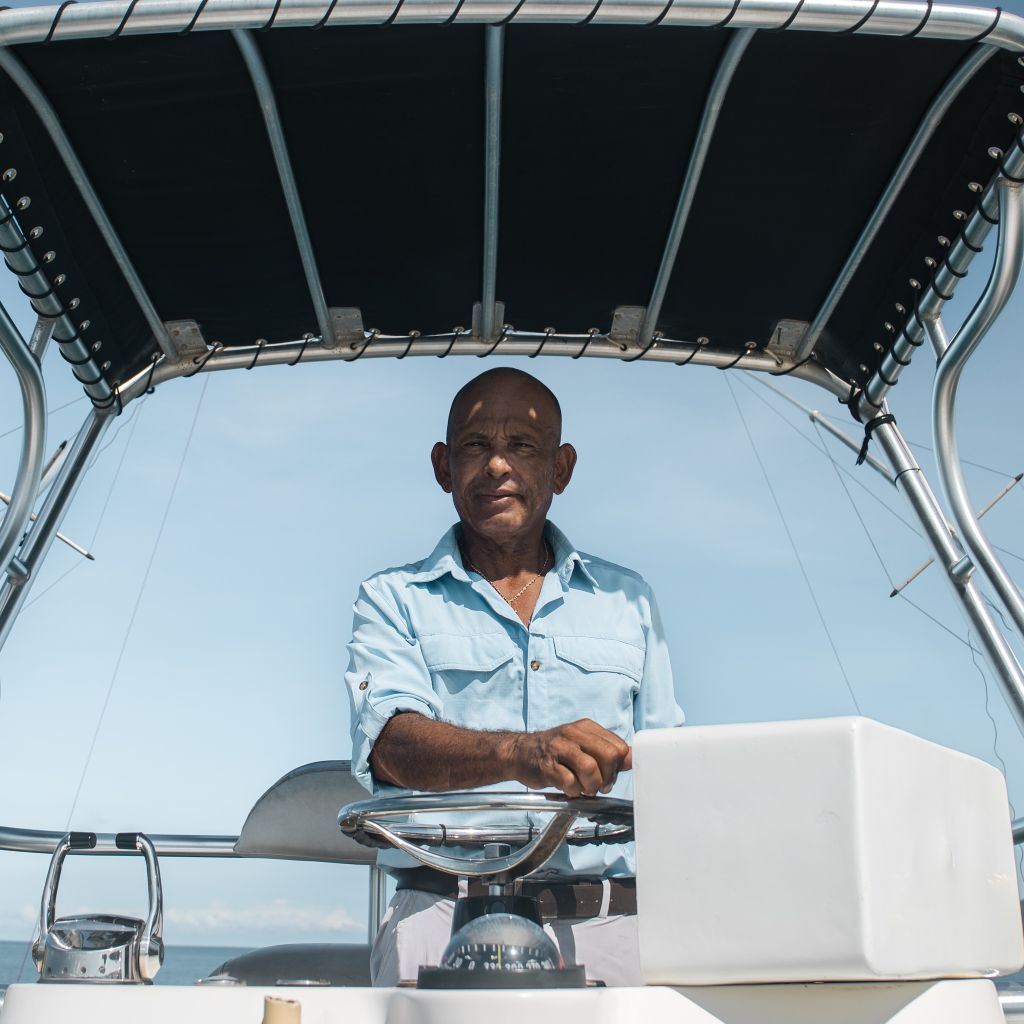
The captain fires up the engines. As you exit the bay, the crew begins preparing the fishing spread: rigging baits, checking reels, and setting up outriggers.
6:30-7:00 AM - Lines In
You have reached the blue water. The crew deploys the trolling spread: 5-7 lines at various distances behind the boat. Teasers splash on the surface. The hunt begins.
7:00 AM - 12:00 PM - Fishing Time
This is where the magic happens. You are trolling at 7-9 knots, covering water and looking for signs of life: birds diving, bait spraying, color changes in the water, or fish crashing the surface.
When a fish strikes:
- The reel screams. The crew yells the position
- The angler grabs the rod (or it is handed to them from the rod holder)
- The captain maneuvers the boat to optimize the fight
- The crew clears other lines if needed
- You fight the fish with coaching from the mate
- At boatside: photos, then release (billfish) or gaff and ice (tuna, mahi)
12:00-1:00 PM - Head Home
Lines come in, gear is stowed. The crew fillets any kept fish while you relax on the ride back.
1:30-2:00 PM - Back at the Beach
Water taxi brings you back to shore. You step off with stories, photos, and possibly bags of fresh tuna or mahi-mahi fillets.
What It Feels Like (For First-Timers)
The ride out: Exciting. The boat is fast and the ocean is beautiful. You might see dolphins, sea turtles, or manta rays on the way out.
The trolling: Patient but engaging. You are watching the spread, scanning the horizon, chatting with the crew. It is not boring. It is anticipation building.
The strike: Electric. Your heart rate spikes. The reel explodes with sound. Someone is yelling. You grab the rod and feel raw power on the other end.
The fight: Physical. A sailfish fights for 10-20 minutes. A marlin can take 30-60 minutes. Tuna are brute-force battles. Your arms, back, and legs all work. The crew coaches you through every moment.
The release/catch: Triumphant. Whether you watch a sailfish swim free or ice a beautiful yellowfin for dinner, that is a good feeling.
Do I Need Experience?
No. Our crew handles everything technical: rigging, boat positioning, setting the hook on billfish, and coaching you through the fight. We take complete beginners every week and they catch fish. Your job is to hold the rod, follow instructions, and enjoy the fight.
What About Seasickness?
The open ocean has swells, typically 2-4 feet in dry season and 3-6 feet in green season. If you have never been on a boat in open water:
- Take Dramamine or Bonine the night before AND morning of
- Stay on deck - fresh air and horizon-watching prevents nausea
- Avoid your phone - screens worsen motion sickness
- Eat light - crackers, fruit, nothing greasy
- Stay hydrated - dehydration amplifies seasickness
Most people do fine, especially in the calm dry season months (Dec-April).
What Boat Will I Be On?
Deep sea charters from Tamarindo use sportfishing boats ranging from 28 to 42 feet with:
- Twin diesel or outboard engines (reliable power)
- Fighting chair(s) for big game battles
- Outriggers for trolling spread
- GPS, sonar, and fish-finding electronics
- Shaded cabin area for breaks
- Marine toilet (head)
- Ice chests for drinks and catch
How to Book Your First Deep Sea Trip
- Pick your dates - Dec-April for calmest seas and sailfish, May-Oct for tuna and wahoo
- Choose full-day - You need 7-8 hours to make the offshore run worthwhile
- Tell us your group size - We will match you with the right boat
- Mention if it is your first time - Our crew adjusts their approach for beginners
Contact us and we will take care of the rest.