Why Costa Rica Is a World-Class Fishing Destination
After more than 30 years running charters off Costa Rica's Pacific coast, I can tell you there is no place on earth quite like Guanacaste for sportfishing. The continental shelf drops off sharply just 20 to 35 miles from shore, pushing nutrient-rich deep water close enough that our boats can reach blue water in under an hour. That means world-class offshore species like marlin and sailfish are accessible on a half-day trip, something most destinations simply cannot offer.
Tamarindo is our departure point, and it sits in the heart of this incredible fishery. The authentic beach-town experience starts with a water taxi boarding from the beach, and from there you are fishing the legendary waters of the Papagayo Gulf, the Catalina Islands, and the offshore seamounts that have made this coast famous.
What truly sets Guanacaste apart is the year-round variety. There is no "off season" here. Every month brings a different combination of species, conditions, and opportunities. The trick is knowing what to target and when. That is exactly what this guide is for.
Costa Rica Fishing Seasons Overview
Understanding the two main seasons is the foundation for planning your trip.
Dry Season (December through April)
This is peak tourist season along the Pacific coast, and for good reason. The skies are clear, the seas are calm (typically 2 to 4 feet), and the trade winds blow steadily from the northeast. Water temperatures hover between 78 and 84 degrees Fahrenheit, and visibility can exceed 80 feet offshore.
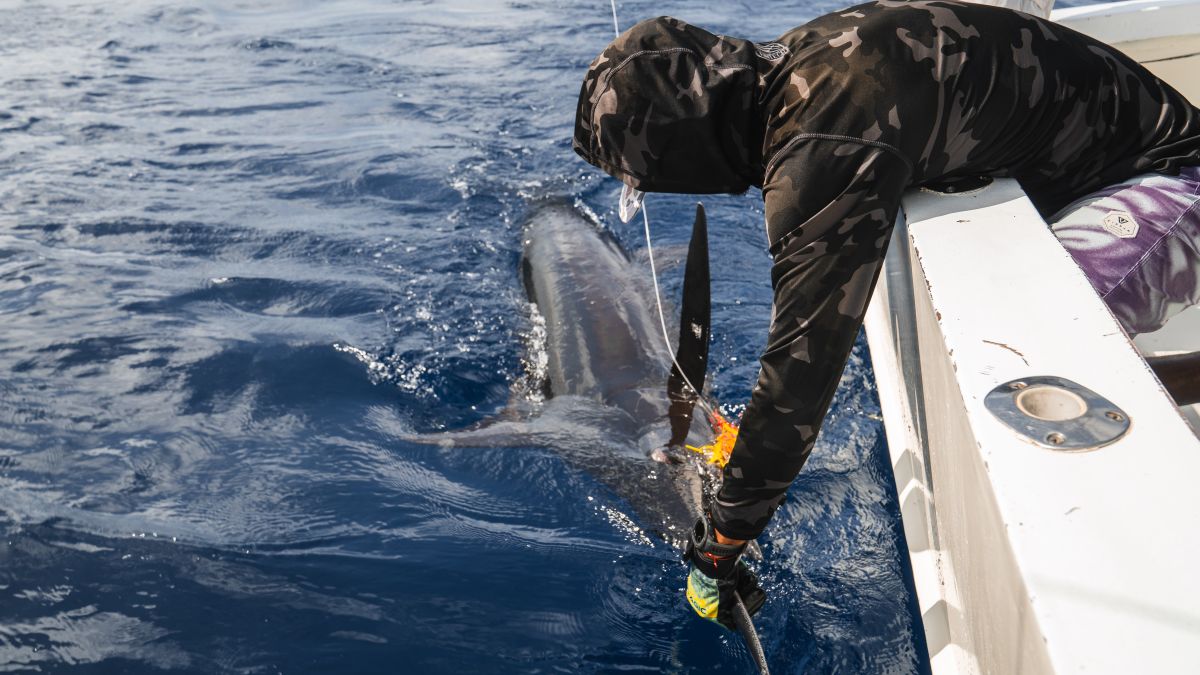
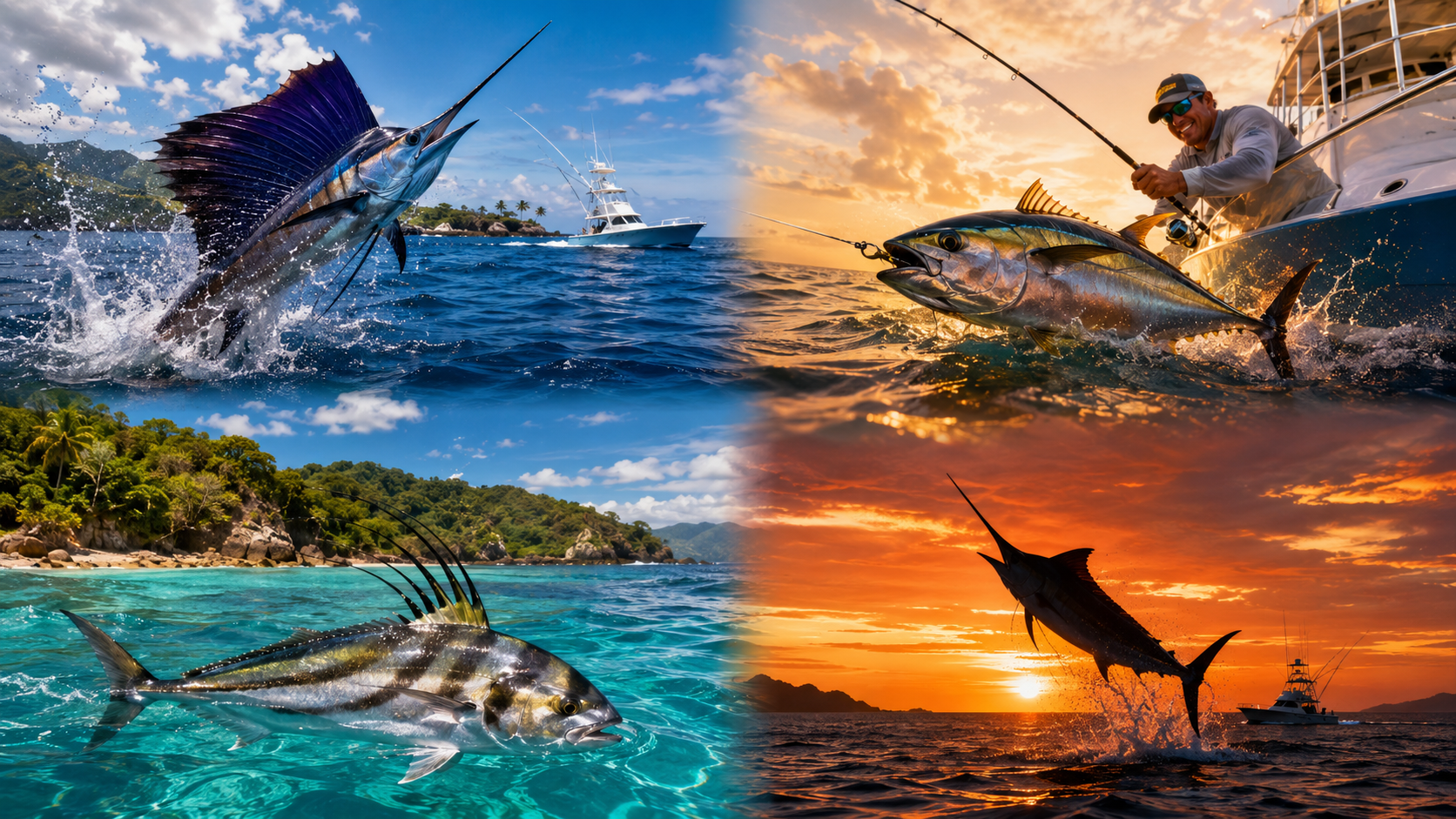
For anglers, dry season means sailfish. This is when the Pacific sailfish bite is at its absolute peak, with boats regularly raising 6 to 15 sails per day during the hottest stretches in January and February. Blue marlin also show up in solid numbers, and dorado (mahi-mahi) stack up around floating debris lines. Inshore, roosterfish patrol the beaches and rocky points in clear, calm water that makes sight-casting possible.
The tradeoff is demand. Hotels and charters book up quickly, especially around Christmas, New Year, and U.S. spring break weeks. Prices are at their highest. If you want dry season dates, I recommend booking your charter at least 3 to 4 weeks in advance.
Green Season (May through November)
Green season is our rainy season, but do not let that scare you. Mornings are almost always clear and calm, with rain typically arriving in the late afternoon. Many of our best fishing days happen during green season because the water is alive with bait. Massive schools of sardines, bonito, and skipjack tuna draw in yellowfin tuna, wahoo, and roosterfish in numbers that rival or exceed dry season action.
The real advantage of green season is the value. Charter rates are lower, hotels offer significant discounts, and there are far fewer boats on the water. Less fishing pressure means the fish are less boat-shy and more aggressive. For experienced anglers who do not mind a little afternoon rain, May through November can deliver the trip of a lifetime at a fraction of the peak-season cost.
Transition Months: The Best of Both Worlds
November and December are what I call the sweet spot. The rains taper off, the seas begin to calm, and you get an overlap of green season species (tuna, wahoo) with the early arrivals of dry season targets (sailfish, dorado). These transition windows often produce the most diverse fishing days of the year, and availability is better than the holiday rush that follows.
Month-by-Month Fishing Calendar for Tamarindo and Guanacaste
January
January is the crown jewel of the dry season. Sailfish numbers peak with 8 to 15 raises per day on good trips. Blue marlin begin appearing on the offshore banks, and early-season dorado school up around current lines and debris. Seas are flat calm at 2 to 3 feet, water temperature sits at 80 to 82 degrees, and visibility is outstanding. This is the month I recommend for first-time visitors who want the most reliable offshore action in the calmest conditions. Both half-day and full-day offshore trips produce well. Book early because January fills fast with holiday overflow and winter escape travelers.
February
February maintains the sailfish momentum with consistent raises daily, though numbers may dip slightly from the January peak. Blue marlin presence strengthens, and we start seeing fish in the 300 to 600 pound range on the deeper seamounts. Dorado are scattered but growing in size. Inshore, roosterfish fishing is excellent along the beaches south of Tamarindo, especially on the early morning tides. Seas remain calm, and this is one of the driest months of the year. February is also popular for Valentine's and Presidents' Day week trips, so advance booking is essential.
March
March is the final month of peak sailfish season, and the fishing remains strong. Experienced anglers often find March produces the biggest individual sailfish of the season as the fish feed aggressively before the seasonal shift. Blue and black marlin are both present offshore. Inshore, roosterfish and cubera snapper are reliable targets around rocky structure and river mouths. Water temperature creeps up to 82 to 84 degrees, and the seas stay cooperative. Spring break groups from the U.S. make this a busy month, but the fishing absorbs the pressure well because the biomass is enormous.
April
April is a transition month. Sailfish numbers drop off noticeably by mid-month, but roosterfish fishing kicks into high gear. The warming water pushes baitfish closer to shore, and roosters follow them aggressively along the beaches and rocky points. Offshore, some blue marlin linger, and the first wahoo of the season begin appearing. Seas remain relatively calm early in the month but can pick up with afternoon thermals as the dry season winds down. April offers good value as it falls between the peak tourist windows, and you can often combine a productive offshore morning with an inshore afternoon.
May
May marks the official start of green season, and the fishing transitions dramatically. The first big yellowfin tuna schools arrive, often traveling with pods of spinner dolphins that make them easy to locate. Wahoo picks up significantly around underwater structure and current edges. Inshore roosterfish remain strong. Mornings are clear and calm, with rain arriving after 2 or 3 PM most days. Water temperature rises to 84 to 86 degrees, and the increased nutrients from early rains spark a baitfish explosion. This is when green season rates kick in, making May one of the best value months of the year. I love May fishing because the ocean feels electric with life.
June
June is when the tuna fishing really gets dialed in. Yellowfin schools are thick, with fish ranging from 30 to over 100 pounds. Wahoo are aggressive and hitting both trolled lures and live bait. Inshore, roosterfish remain a strong target, and jack crevalle schools provide non-stop action on lighter tackle. The green season pattern is fully established with clear mornings and afternoon showers. We typically depart early, around 6 AM, to maximize the calm morning window. Seas run 3 to 5 feet on average, and water temperature holds at 84 to 86 degrees. June is excellent for anglers who want to fill the cooler with tuna and wahoo for a cook-your-catch dinner in town.
July
July delivers some of the best yellowfin tuna fishing of the year. We frequently encounter schools of 40 to 80 pound fish feeding under bird flocks and dolphin pods, and fish over 100 pounds are a real possibility. Wahoo remains strong, and this is one of the best months for inshore roosterfish as they stack up along the beaches during morning feeding windows. Occasional afternoon rain keeps the water rich with bait. The "little summer" (veranillo de San Juan) often brings a brief dry spell in mid-July with lighter winds and calmer seas. If you are planning a family trip during summer vacation, July is an excellent choice with great fishing and lower prices than the winter months.
August
August continues the peak tuna and wahoo pattern. Yellowfin schools remain thick offshore, and wahoo hit aggressively around structure and current breaks. Roosterfish inshore are in prime form, and cubera snapper fishing around rocky drop-offs is outstanding. Afternoon rains are more consistent, but mornings remain fishable with seas typically at 3 to 5 feet. Water temperature stays warm at 83 to 85 degrees. August is one of our quietest months for tourism, which means exceptional availability, the best charter rates of the year, and very little boat traffic on the water. For the angler who prioritizes catching fish over perfect weather, August is hard to beat.
September
September is the heart of the rainy season, and fishing stays hot despite being the wettest month on land. Tuna and wahoo remain the primary offshore targets, and the reduced number of boats on the water means less pressure on the fish. We sometimes have entire fishing grounds to ourselves, which is a luxury you will not find in January. Inshore species including roosterfish, snapper, and jacks are all productive. Seas can be choppy on some days, running 4 to 6 feet, so full-day trips may be adjusted to fish the calmest windows. September offers rock-bottom prices and surprisingly excellent fishing for anglers willing to work with the weather.
October
October is similar to September in terms of weather, with consistent afternoon rains and moderate seas. However, the fishing begins to shift as the transition approaches. Tuna schools are still present, wahoo remains reliable, and we start seeing the first hints of the coming sailfish season with occasional billfish hookups. Dorado begin showing up around floating debris, a preview of the abundance to come. Inshore fishing for roosterfish, snapper, and jacks remains productive. October rewards the patient angler with diverse catch opportunities and green season pricing. By late October, the rains begin easing off and the seas start settling down.
November
November is the transition month that savvy anglers target. The rains diminish noticeably, especially in the second half of the month. Blue marlin reappear in force on the offshore banks, and the first serious sailfish of the new season arrive. Dorado start showing in solid numbers around current lines and debris. Tuna and wahoo from the green season are still present, creating days where you might catch five or six different species. Water temperature drops slightly to 80 to 83 degrees, and the seas calm down to 2 to 4 feet by month's end. November is one of my personal favorite months because the diversity is unmatched and the crowds have not arrived yet. Availability is still good, and rates are transitioning from green to dry season pricing.
December
December is when everything comes together. Sailfish season officially kicks off with strong numbers by mid-month, often hitting 5 to 10 raises per day. Dorado are in peak form, with fish averaging 20 to 40 pounds around every floating log and debris line. Blue marlin remain on the offshore banks. Inshore, roosterfish are active in the calming waters, and snapper fishing picks up around the reefs. The weather is beautiful with clear skies, calm seas, and water at 79 to 82 degrees. The catch is that December fills up fast, especially the holiday weeks between Christmas and New Year. If you want to fish December, book as far in advance as possible. It is the perfect month to combine a fishing trip with a family vacation.
Species Quick Reference Table
| Species | Peak Season | Best Trip Type | Average Size |
|---|---|---|---|
| Pacific Sailfish | December - March | Full-day offshore | 80 - 120 lbs |
| Blue Marlin | November - March | Full-day offshore | 300 - 600 lbs |
| Black Marlin | May - September | Full-day offshore | 200 - 500 lbs |
| Yellowfin Tuna | May - October | Half-day or full-day offshore | 40 - 120 lbs |
| Mahi-Mahi (Dorado) | November - March | Half-day or full-day offshore | 15 - 40 lbs |
| Wahoo | May - October | Full-day offshore | 30 - 70 lbs |
| Roosterfish | Year-round (peak Apr - Aug) | Half-day inshore | 20 - 50 lbs |
| Cubera Snapper | Year-round | Half-day inshore | 15 - 40 lbs |
| Jack Crevalle | Year-round (peak May - Aug) | Half-day inshore | 10 - 35 lbs |
Planning Tips for Your Costa Rica Fishing Trip
Best time overall for beginners: January through March. The seas are at their calmest, seasickness risk is lowest, and the sailfish bite is so consistent that even first-timers get plenty of action. If you have never been deep-sea fishing, this is when to come.
Best value for experienced anglers: May through October. Green season rates save you 20 to 30 percent on charters and accommodations, the tuna and wahoo fishing is world-class, and you will have the ocean largely to yourself. The tradeoff is occasional afternoon rain and slightly rougher seas, but the fishing more than compensates.
How far in advance to book: For peak season dates (December through March), I recommend booking your charter 3 to 4 weeks in advance, and even earlier for holiday weeks. Green season trips can often be booked 1 to 2 weeks out, but securing your preferred boat and date is always easier with advance planning.
Getting here: Fly into Daniel Oduber Quiros International Airport in Liberia (airport code LIR). From there, Tamarindo is approximately 1 hour by car. We can help arrange private airport transfers to make the logistics seamless.
Combine inshore and offshore: If your schedule allows multiple days, I always recommend mixing an offshore day targeting billfish and tuna with an inshore day chasing roosterfish and snapper. You get the full Guanacaste experience and a much more diverse catch list.
Book Your Costa Rica Fishing Trip with Coyote Sport Fishing
No matter what month you visit, the waters off Tamarindo will deliver. I have spent my entire career learning these waters, and our captains and crews know exactly where the fish are in every season. Whether you are chasing your first sailfish in January, loading up on yellowfin tuna in July, or hunting the November marlin run, we will put you on the fish.
Tell us your dates and what species you want to target. We will match you with the right charter for the season.
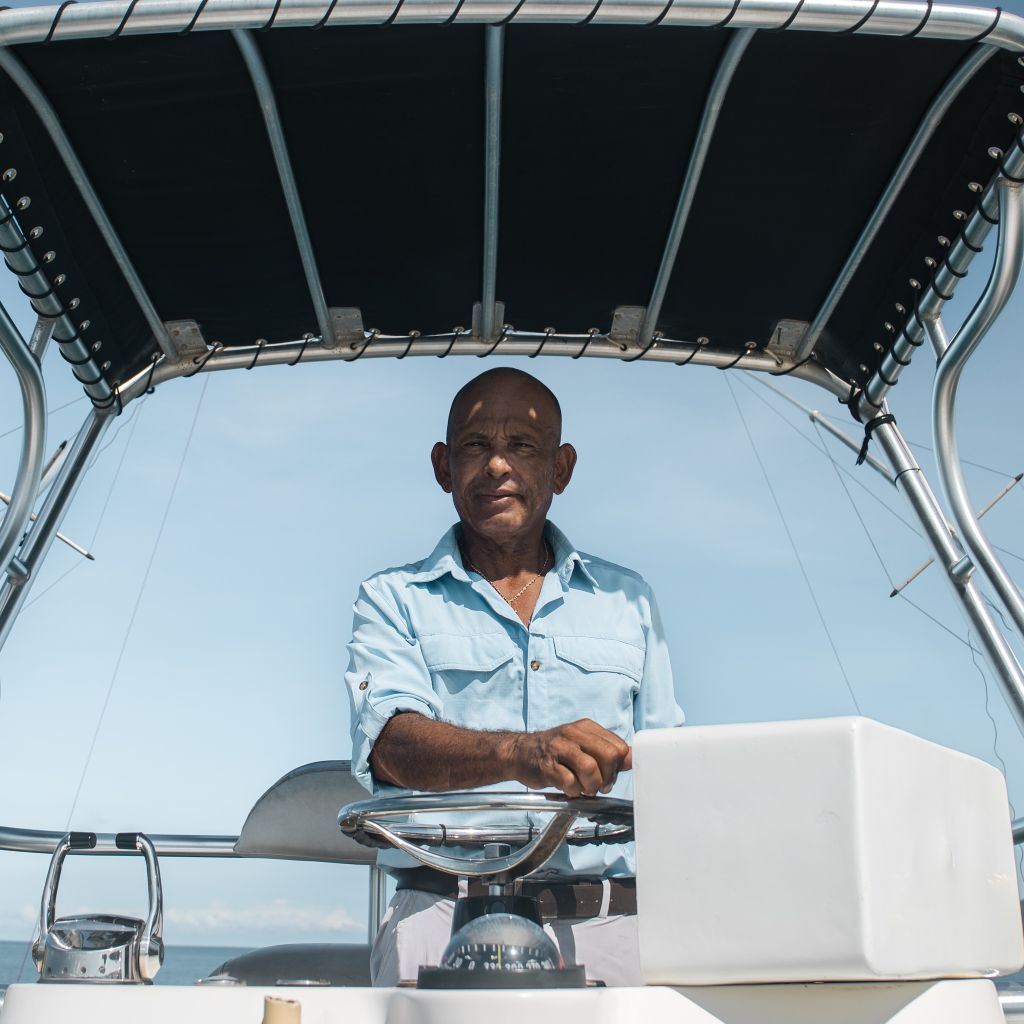
Tight lines, Captain Frank Berrocal